Introduction
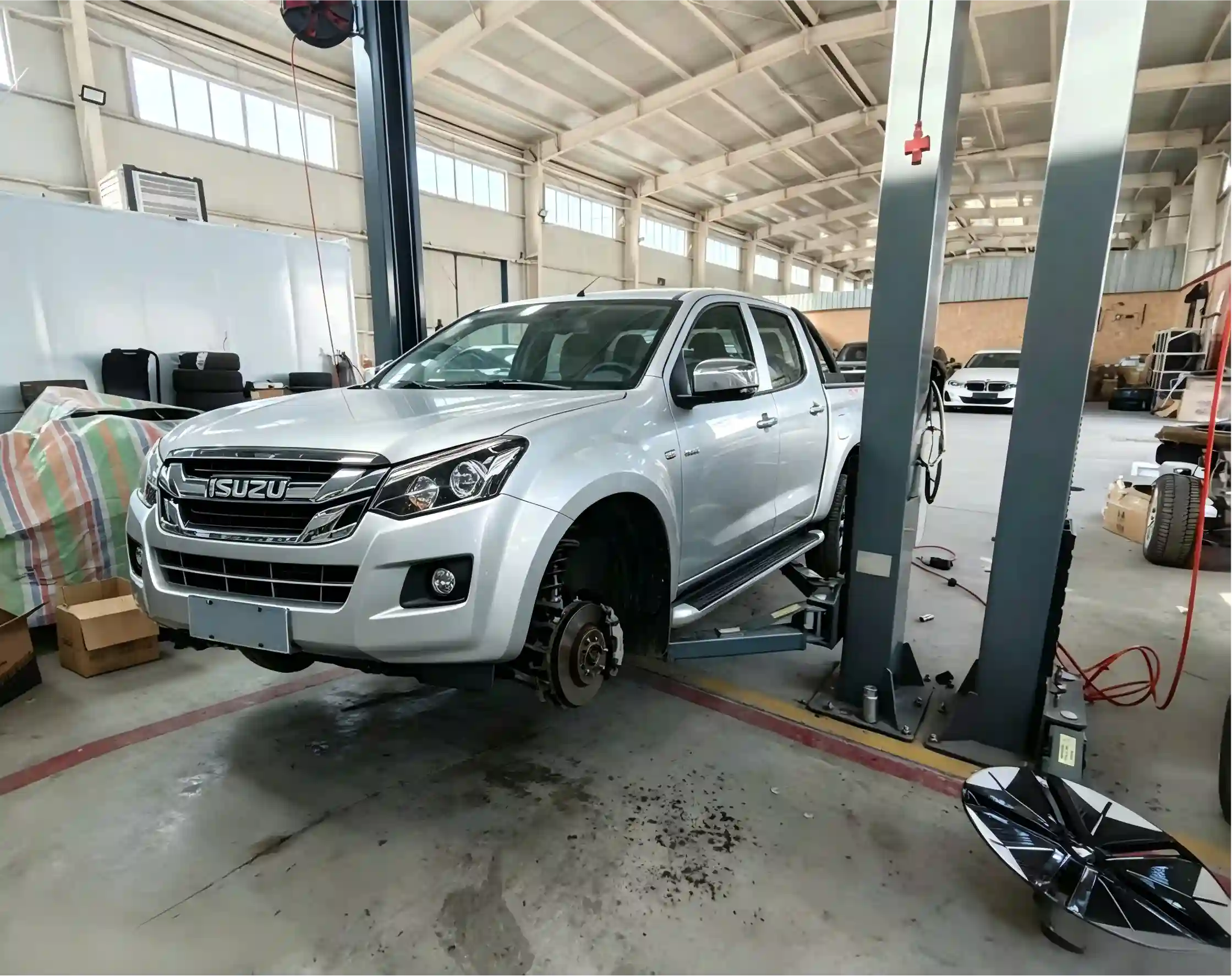
Based on long-term inquiries for genuine aftermarket parts for Isuzu D-max, repurchase data and market feedback, we have conducted a comprehensive review of the driving performance of Isuzu D-max pickups. On the whole, the wear and tear of this vehicle model mainly occur in five core areas: the engine, braking system, chassis suspension, transmission shaft, and electrical components such as sensors. For the issues mentioned above, we have identified the root causes of failures and formulated practical and scientific replacement recommendations for relevant spare parts. The Isuzu parts catalogue is attached below for your reference.
-
Engine Parts
When the engine warning light illuminates or abnormal noise occurs, which may be caused by dirty spark plugs, damaged oxygen sensors with excessive internal carbon deposits or excessive valve clearance.
Filters
Increasing impurities will cause blockage, resulting in higher fuel consumption or wear of core components.
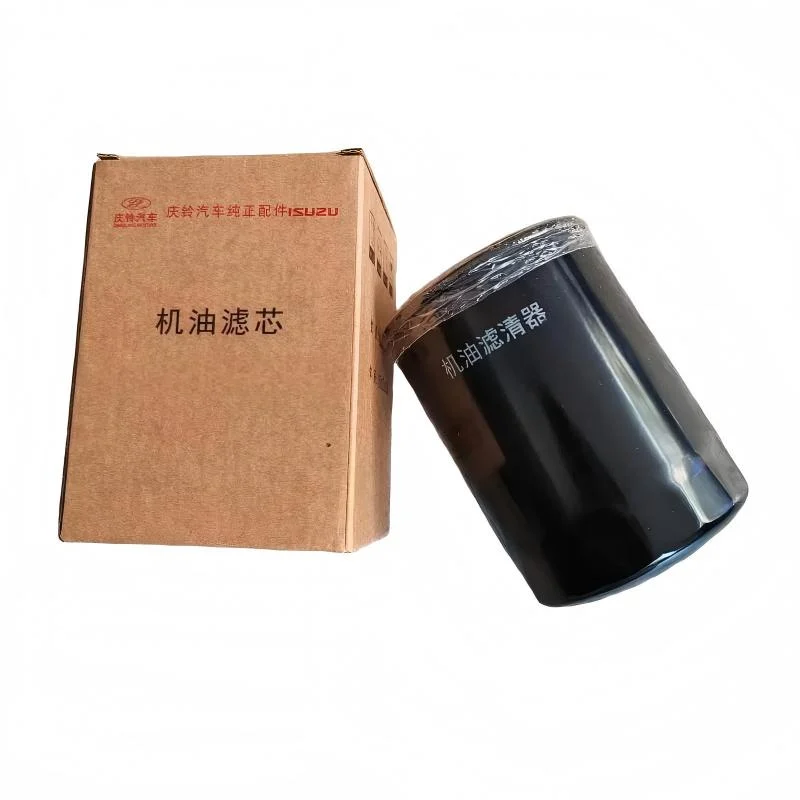
1. Oil filter:
Function: To filter harmful impurities in the engine oil to ensure the purity of the engine oil and the internal parts of the engine.
Suggestion: Replace it simultaneously with the oil changes (generally every 5000 to7500 kilometers).
2. Air filter:
Function: To filter the air entering the engine to prevent impurities from the cylinder.
Suggestion: Generally check it every 10000 to 15000 kilometers. If the vehicle operates in dusty conditions (e.g. construction sites, unpaved roads), clean or replace the parts in a timely manner.

3. Diesel/ Fuel filter:
Function: To filter impurities and water in the diesel to protect the high-pressure injection system.
Suggestion: Usually replaced every 15000 to 20000 kilometers to prevent impurities from blocking the fuel injector.

EGR Valve and Cooler
The EGR valve and cooler are prone to carbon buildup, which can cause unstable idle and increased fuel consumption.
Function: The EGR valve is responsible for controlling and regulating the exhaust gas involved in the recirculation process and quickly cooling it through the cooler before sending it back to the engine.
Suggestion: Normally clean every 60,000 to 80,000 kilometers; replace it in case of severe clog or damage.

Turbocharger
It tends to trigger carbon buildup, intake vanes wear, or rotor shaft leakage, which can give rise to engine power loss and oil consumption.
Function: It increases power output significantly without raising engine displacement by boosting the density of air entering the cylinders.
Suggestion: Replace it immediately, such as fractured compressor blades or severely bent rotating shafts.

Fuel injector
If the diesel filter fails to filter effectively, it is prone to poor ignition and unstable operation.
Function: It injects a fixed amount of fuel at extremely high pressure into the cylinder and ensures that the fuel is fully mixed with the air.
Suggestion: Replace it on the condition that the the resistance reading shows 0 ohms or OL (Overload).

-
Braking System
Brake system faults may result from severely worn brake pads or insufficient brake fluid.
1.Brake Pads
Function: To slow down or stop the vehicle by friction braking.
Suggestion: Replace it immediately (replace both left and right pads simultaneously) in the case that the thickness of the friction material wears down to 3 millimeters or less, for which its normal standard of a new brake pad is between 10 to 15 millimeters.

2.Brake fluid
Function: To absorb heat, prevent corrosion and rust, lubricate
Suggestion: Generally replace it every 2 years or 40,000 kilometers. f professional testing shows the moisture content reaches or exceeds 3%, replace the fluid as soon as possible. When the moisture level rises to 4%–5%, immediate replacement is mandatory to avoid vapor lock and brake failure under high temperatures.
-
Sensors and Electrical Components
Malfunctions of sensors and electrical components are usually indicated by the illuminated engine warning light, failure to start the vehicle or inaccurate fuel gauge readings.
Function: Responsible for real-time monitoring of the vehicle’s operating status (such as wheel speed, fuel tank level) and and send data to the ECU.
Suggestion: Generally replace it around 100,000 kilometers. More frequent checks are required if the vehicle often travels on muddy roads or roads with high salt content (e.g. roads treated with deicing agents in winter).

-
Chassis and Suspension System
Malfunctions of the chassis and suspension system are mainly manifested as abnormal noises from the front and rear axles, or poor shock absorption when driving on rough roads.
Function: To support the vehicle body and ensure the smooth transmission of the wheels.
Suggestion: Replace shock absorbers immediately if oil leakage or deformation occurs. If the oil seal of the front wheel bearing deteriorates and leaks oil, causing abnormal noise, replace the complete bearing assembly.
-
Drive Shaft System
Problems with the drive shaft system mainly present as clunks, metal knocking sounds or vibrations from the chassis when the vehicle starts, accelerates or decelerates.
Function: To smoothly transmit the power from the gearbox to the rear axle wheels.
Suggestion: Replace damaged components promptly when abnormal chassis noise or loose bolts are found.

Conclusion
In the light of the analysis and research of the vulnerable parts in the Isuzu D-max catalogue, we have identified the causes of wear-prone parts and provided scientific and precise replacement and maintenance solutions. As a professional supplier of Isuzu parts, we are well aware of the impact of each core component on the overall vehicle performance and the driving comfort and riding experience. We consistently choose high-quality genuine factory standard parts and continuously provide you with premium options and services, allowing you to enjoy the ultimate experience when driving the D-max or any other Isuzu vehicles, whether for urban commuting or off-road adventures.
For more info, welcome to link www.nuomiparts.com/www.linkedin.com/in/emma-zhao-b87bb993
Share This Story, Choose Your Platform!
related posts
October 10, 2026
September 24, 2026
September 9, 2026